Investing in Safe & Secure Schools: MPS Sinking Fund
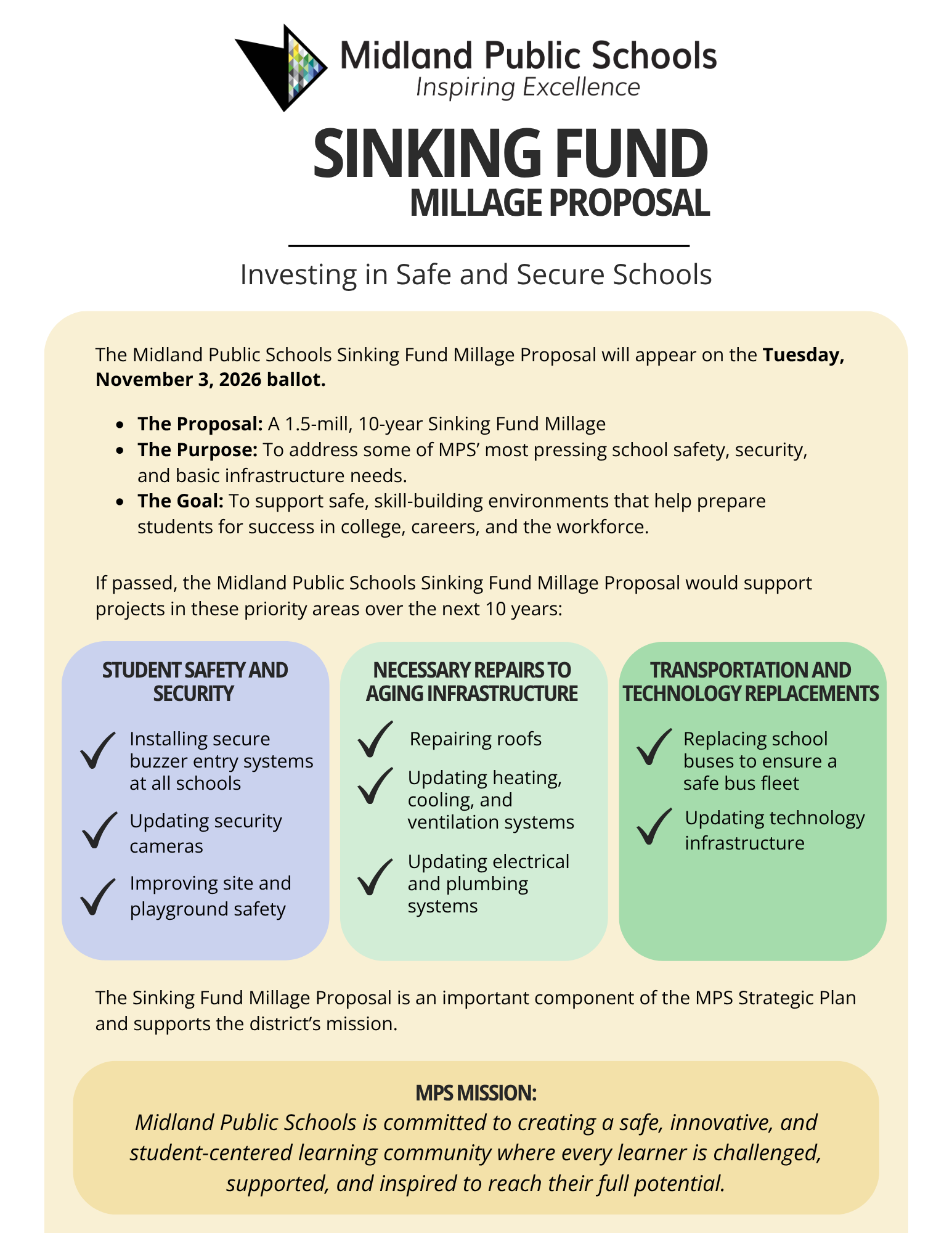
The Midland Public Schools Board of Education has approved placing a 1.5-mill, 10-year sinking fund proposal on the November 3, 2026, ballot. The Midland Public Schools Sinking Fund Millage Proposal would address the district’s most pressing school safety, security and basic infrastructure needs to help prepare our students for success.
Upcoming Events to Learn More
Resource Documents
What We Are Doing: Addressing Top Priorities
This proposal would address some of the district’s top priorities and needs to support skill-building environments for student success over the next 10 years.
The proposal would support crucial school safety improvements to help keep our students safe, including:
- Installing secure buzzer entry systems at all schools
- Updating security cameras
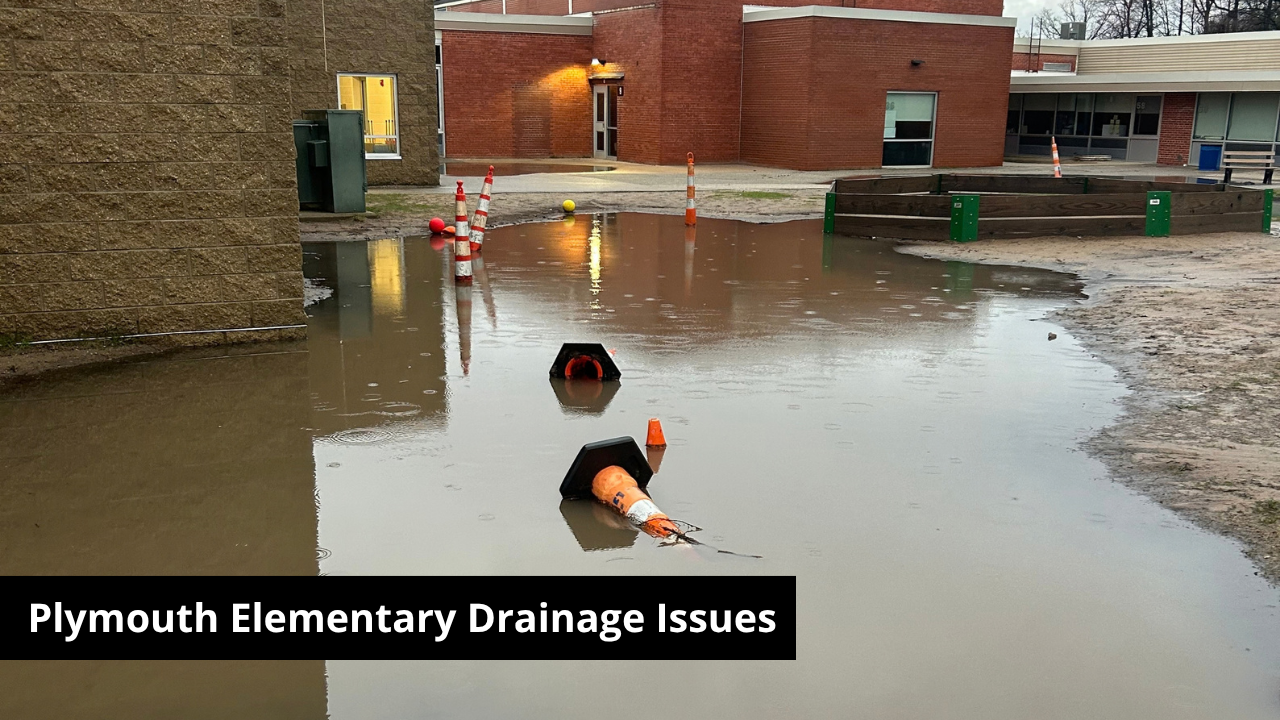
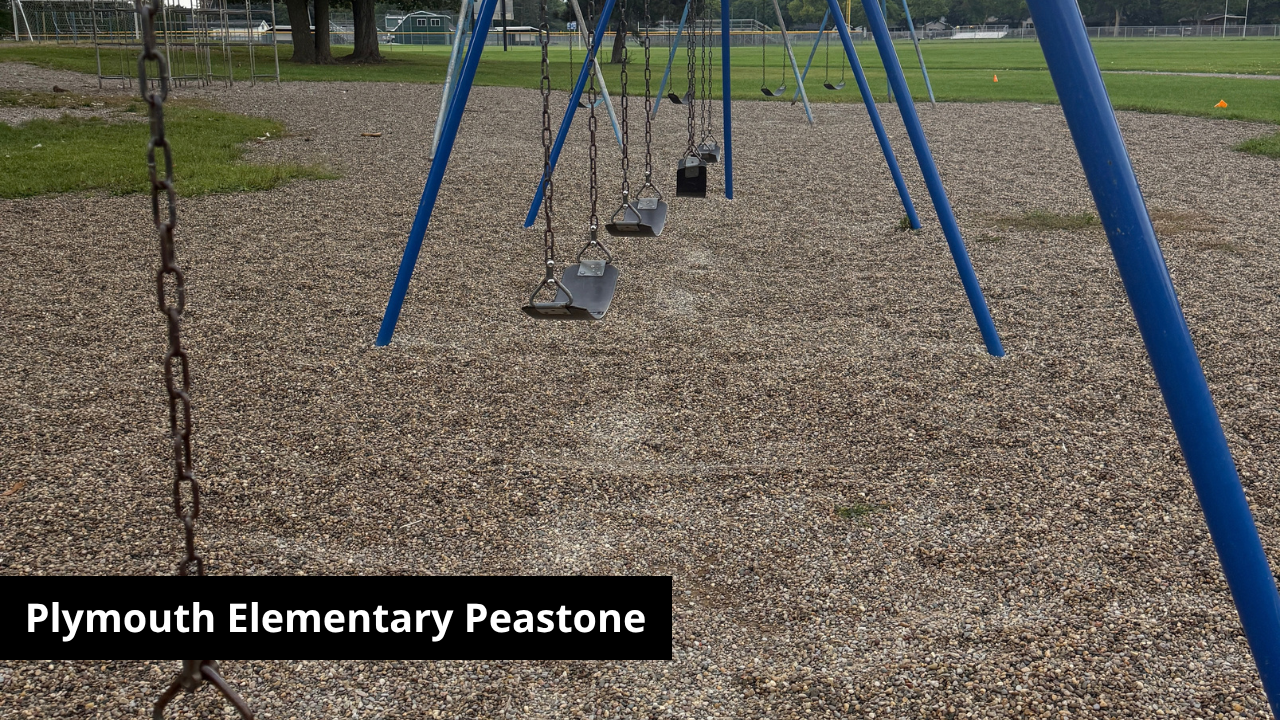
- Improving site and playground safety
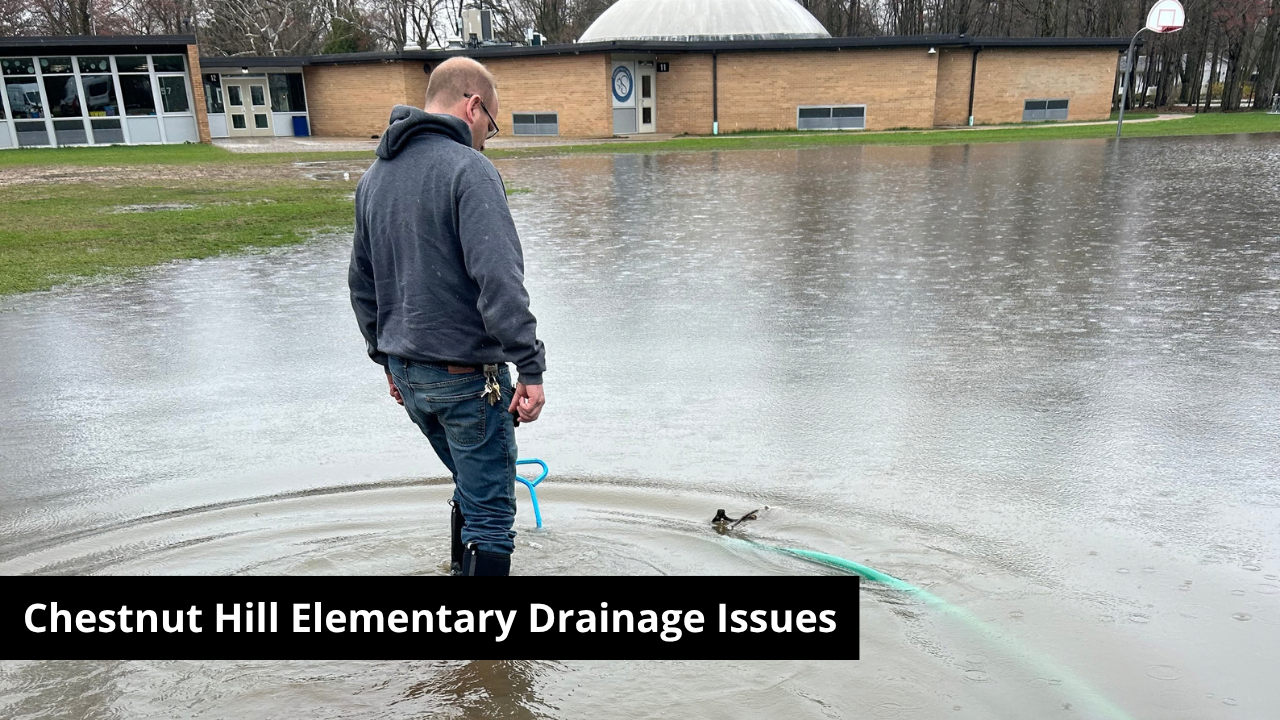
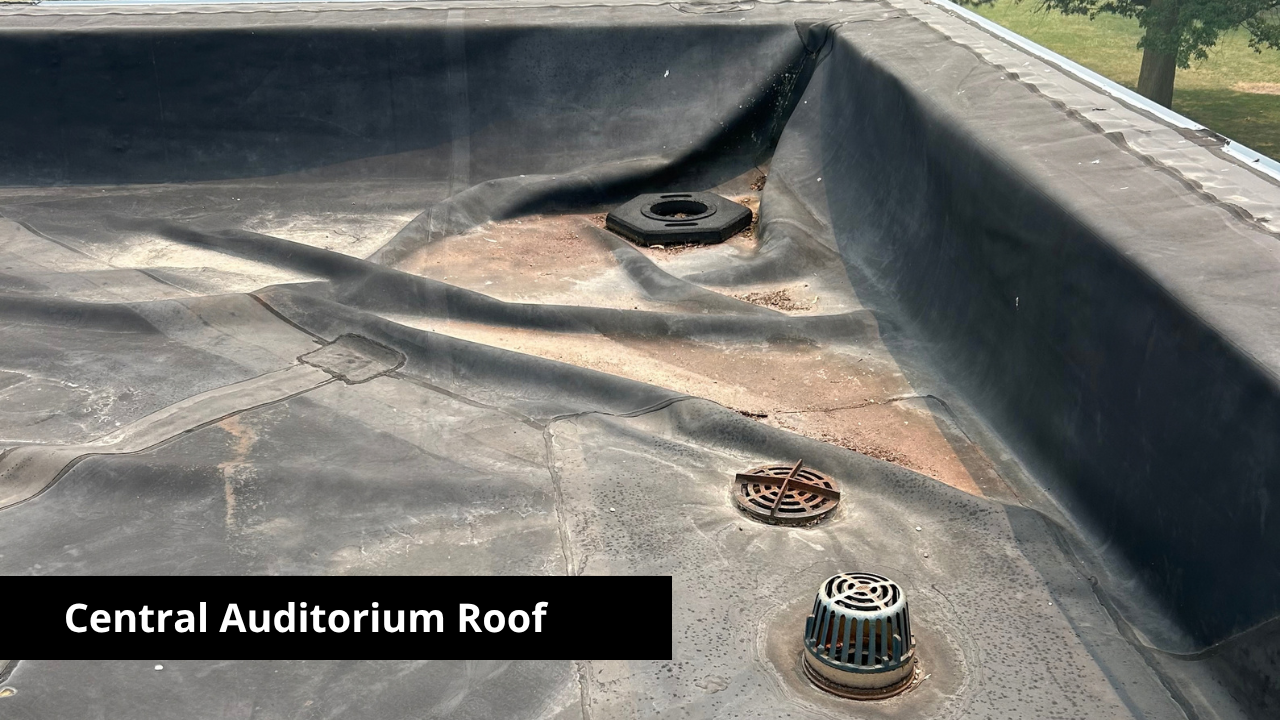
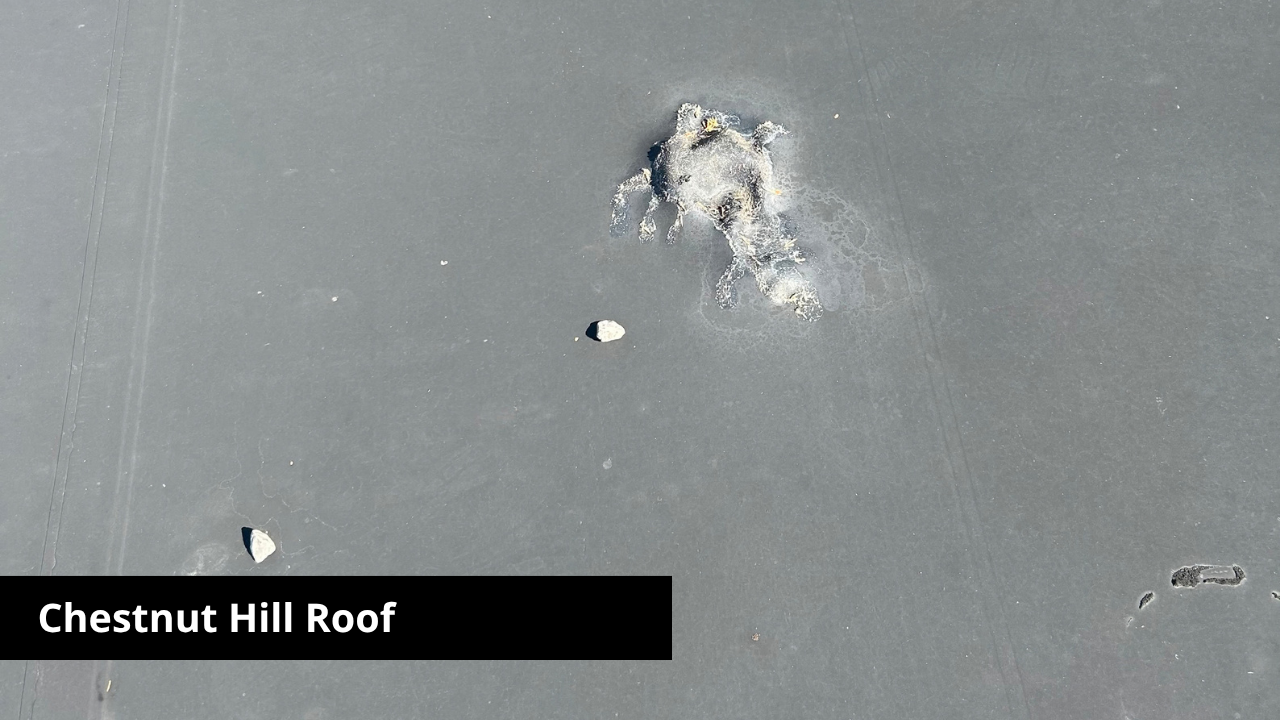
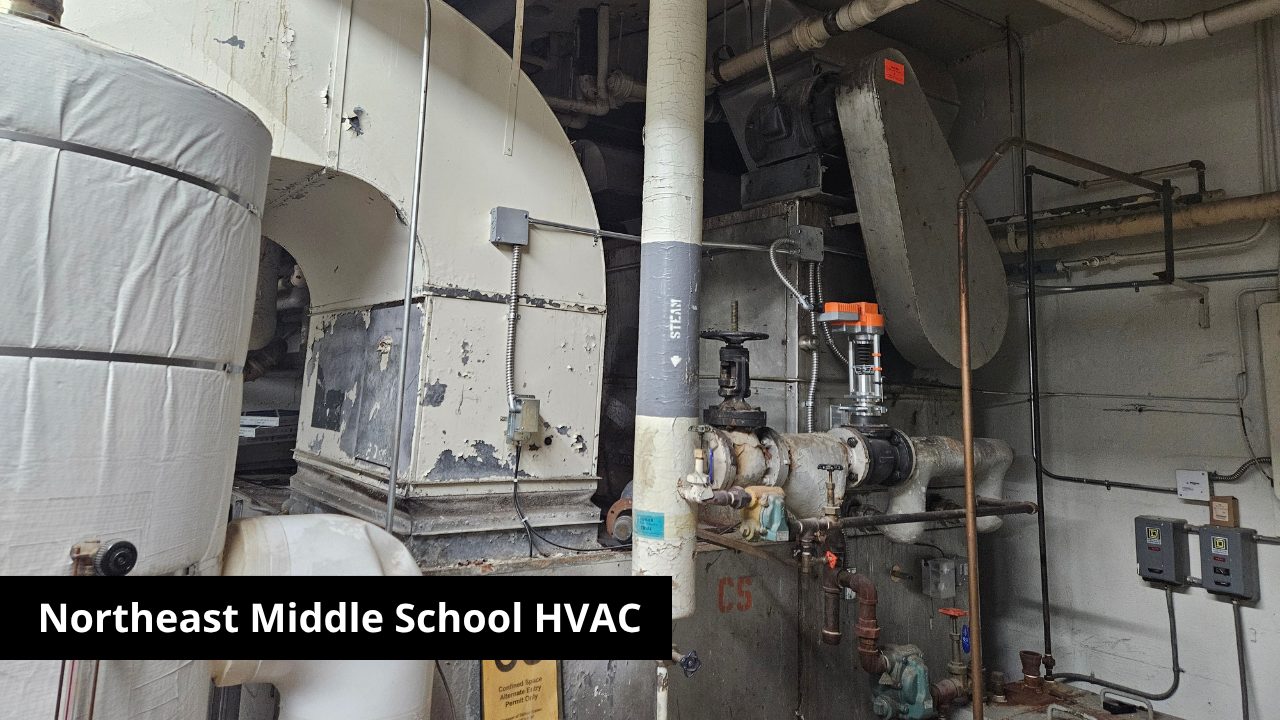
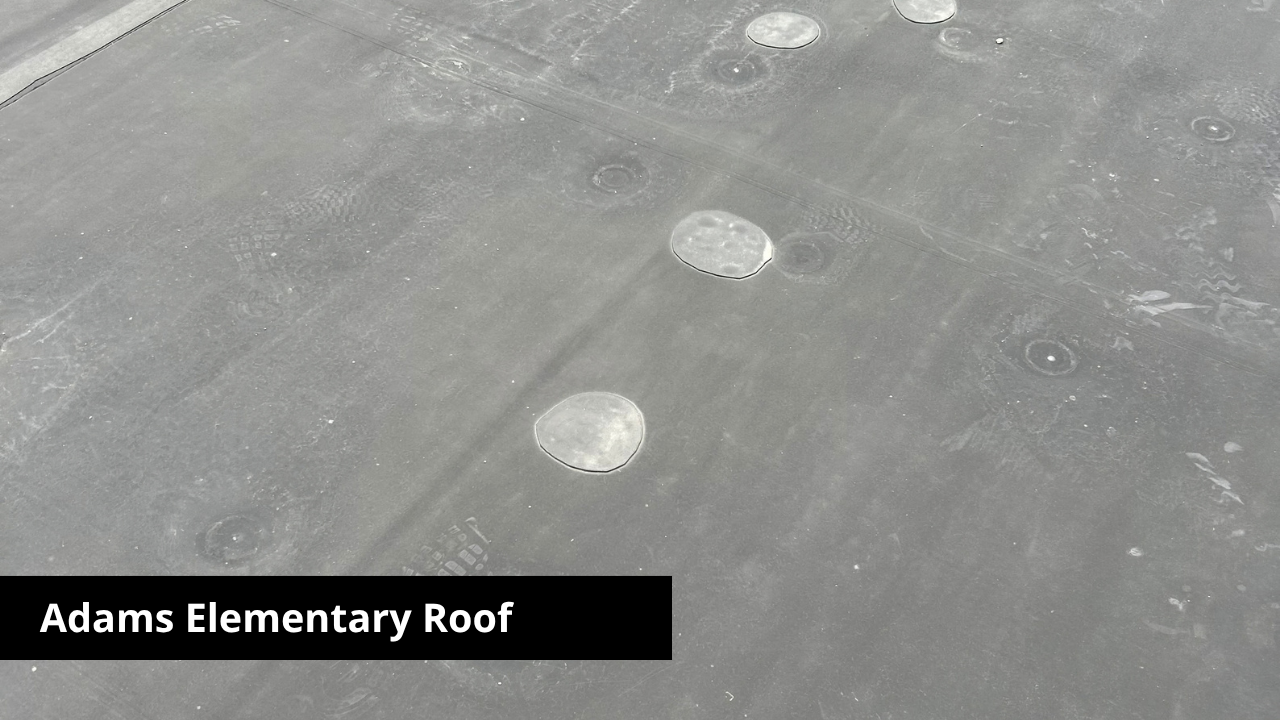
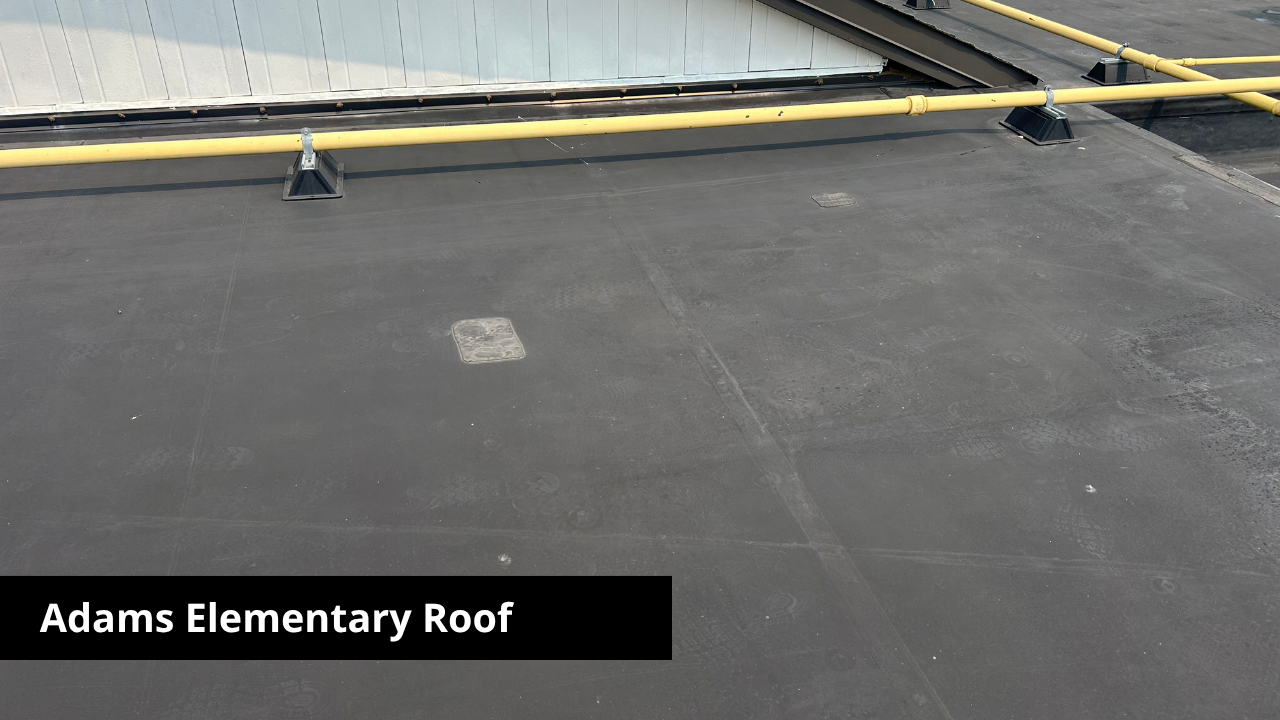
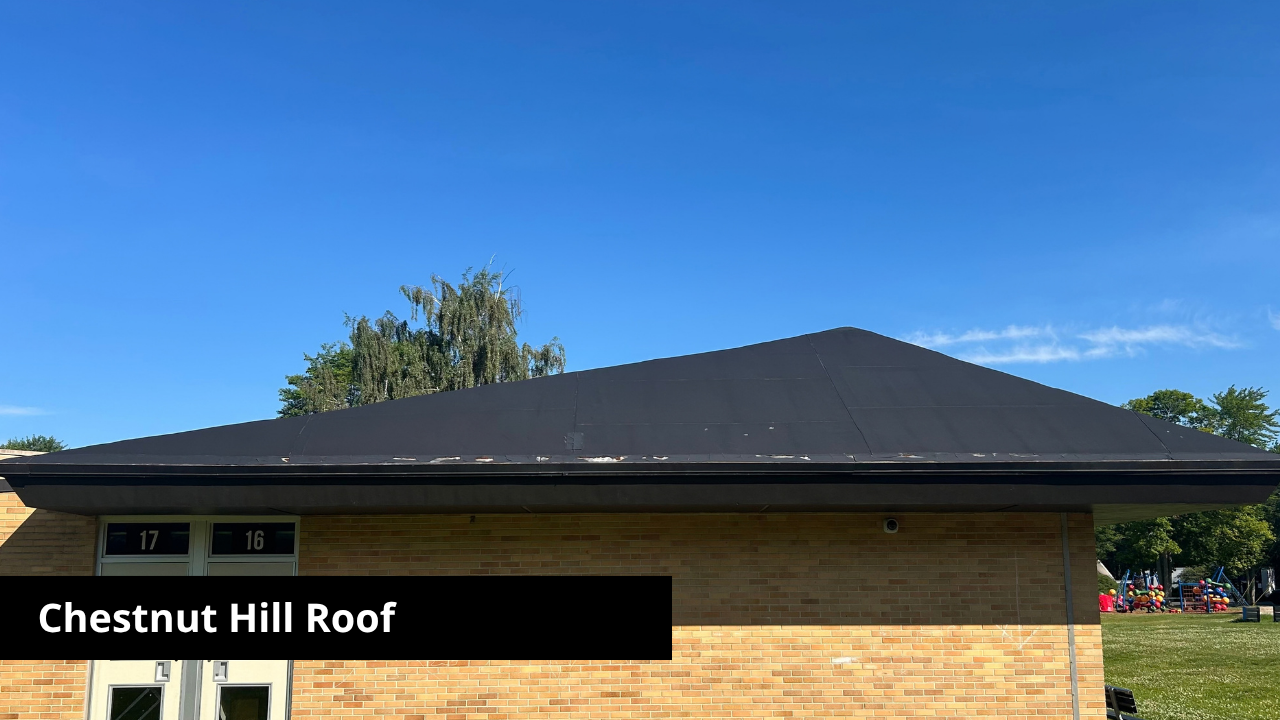
The proposal would support the repair or replacement of aging infrastructure in existing buildings, including:
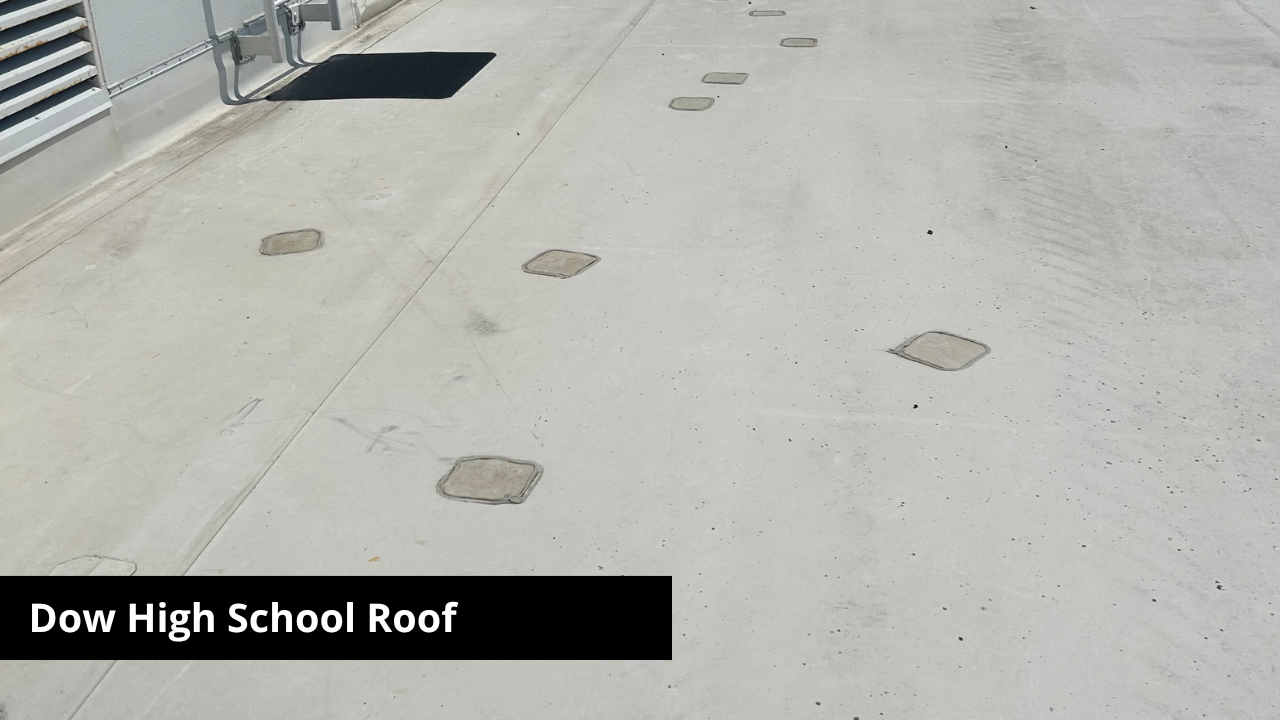
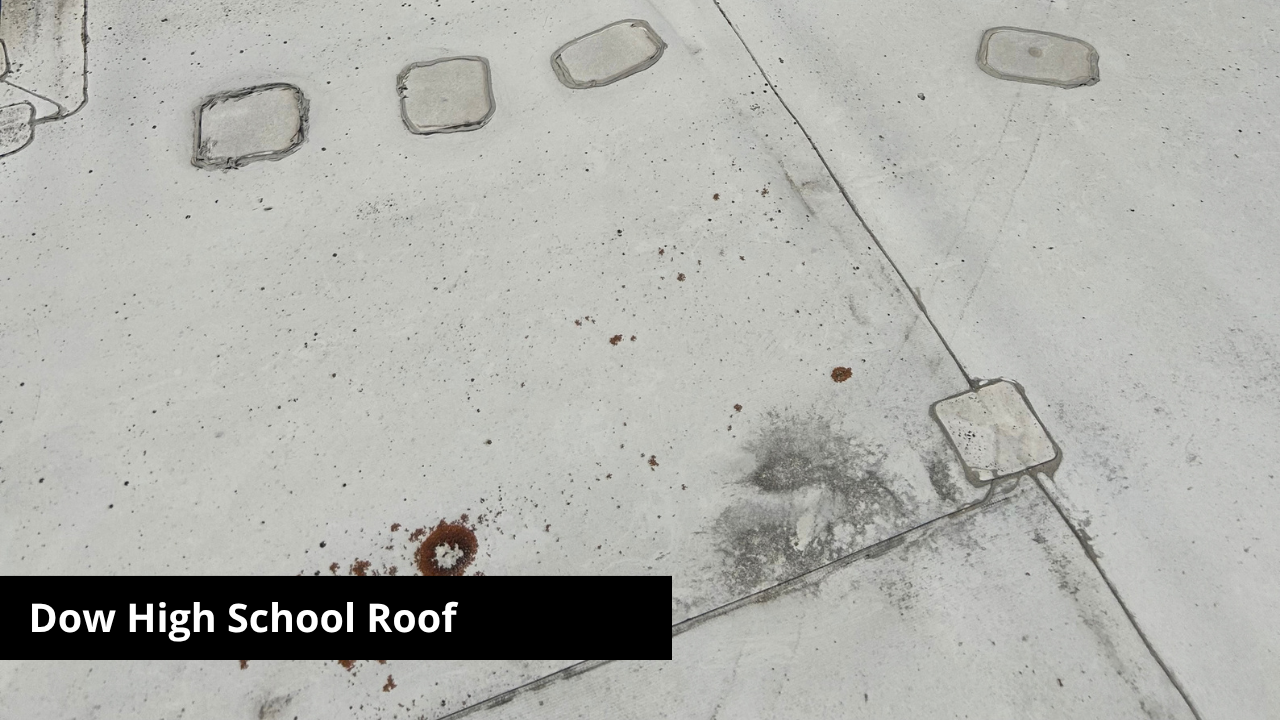
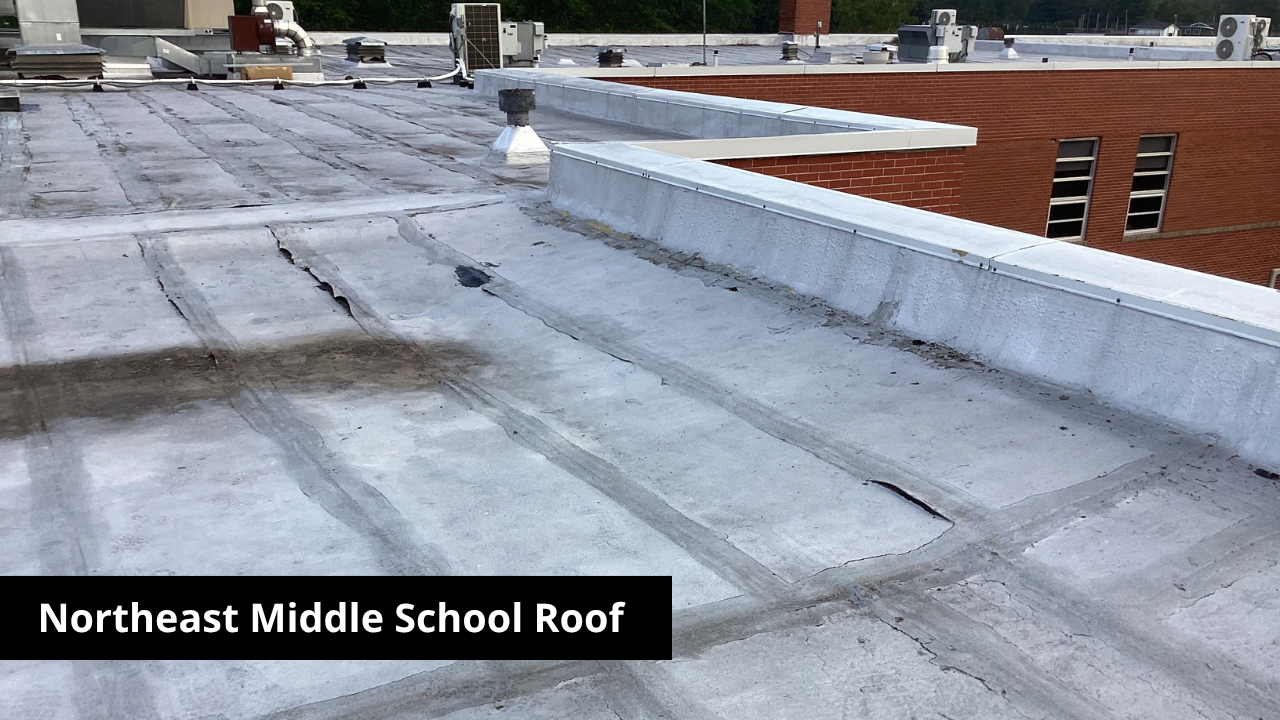
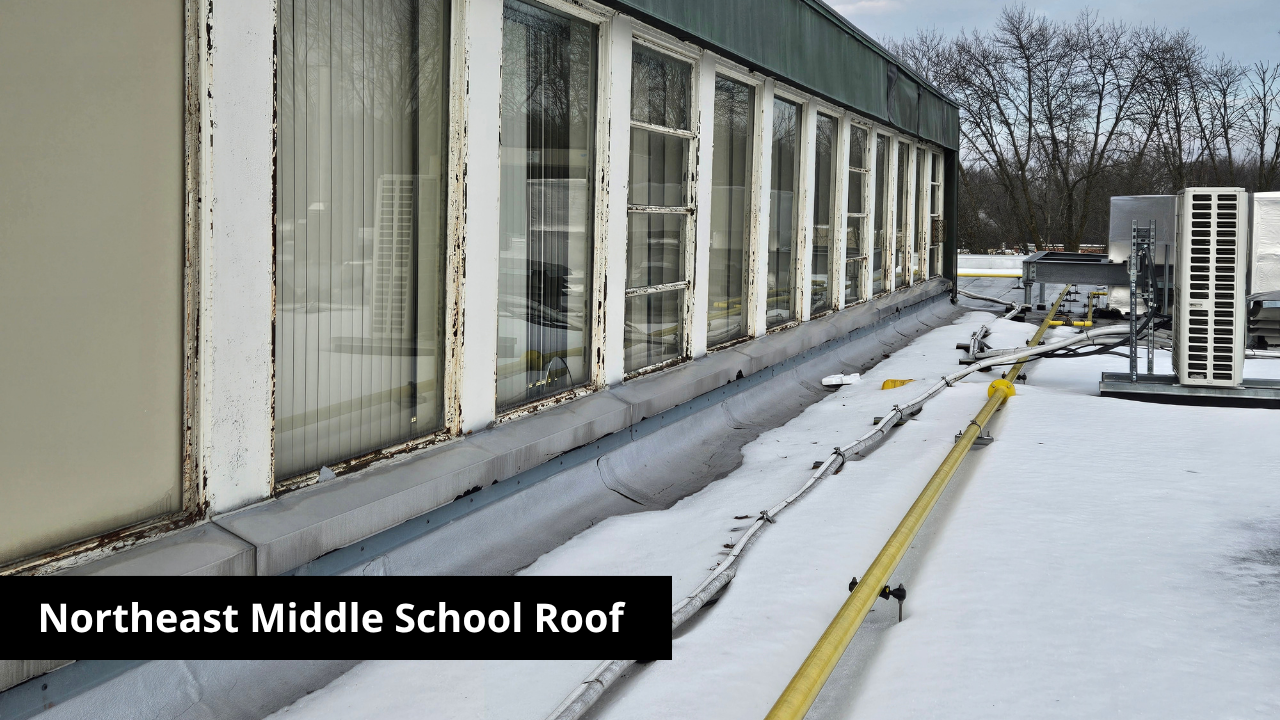
- Aging roofs
- Heating, cooling, and ventilation systems
- Electrical and plumbing systems
The proposal would address MPS transportation and technology needs, including:
- School bus replacements to ensure a safe and modern bus fleet
- Technology infrastructure updates
How We Got Here: Rooted in Community Input
- 8 community input sessions
- A district-wide survey
- A scientific poll
- Public meeting comments
The sinking fund proposal is based on a recommendation from the Blueprint for Tomorrow Steering Team, a group of 30 community members who balanced survey data, public input from board meetings, and feedback from community engagement sessions with the needs identified in the 2025 MPS Facility Assessment.
Working with facility planning partners GMB, Three Rivers, and Clark Construction, the district completed a comprehensivefacility assessment.
Click the buttons below to read the 2025 Facility Assessment or to learn more about the process that led us here.
A Fiscally Responsible Proposal
Why a Sinking Fund?
At Midland Public Schools, the sinking fund would help address our most pressing aging facility issues and repairs.
A sinking fund is a millage that a district can levy with voter approval. It is generally used for “pay as you go” projects and allows for the execution of smaller infrastructure improvements.
Voter approval of a sinking fund would help keep the district’s General Fund dollars in the classroom.
Impact on Homeowner
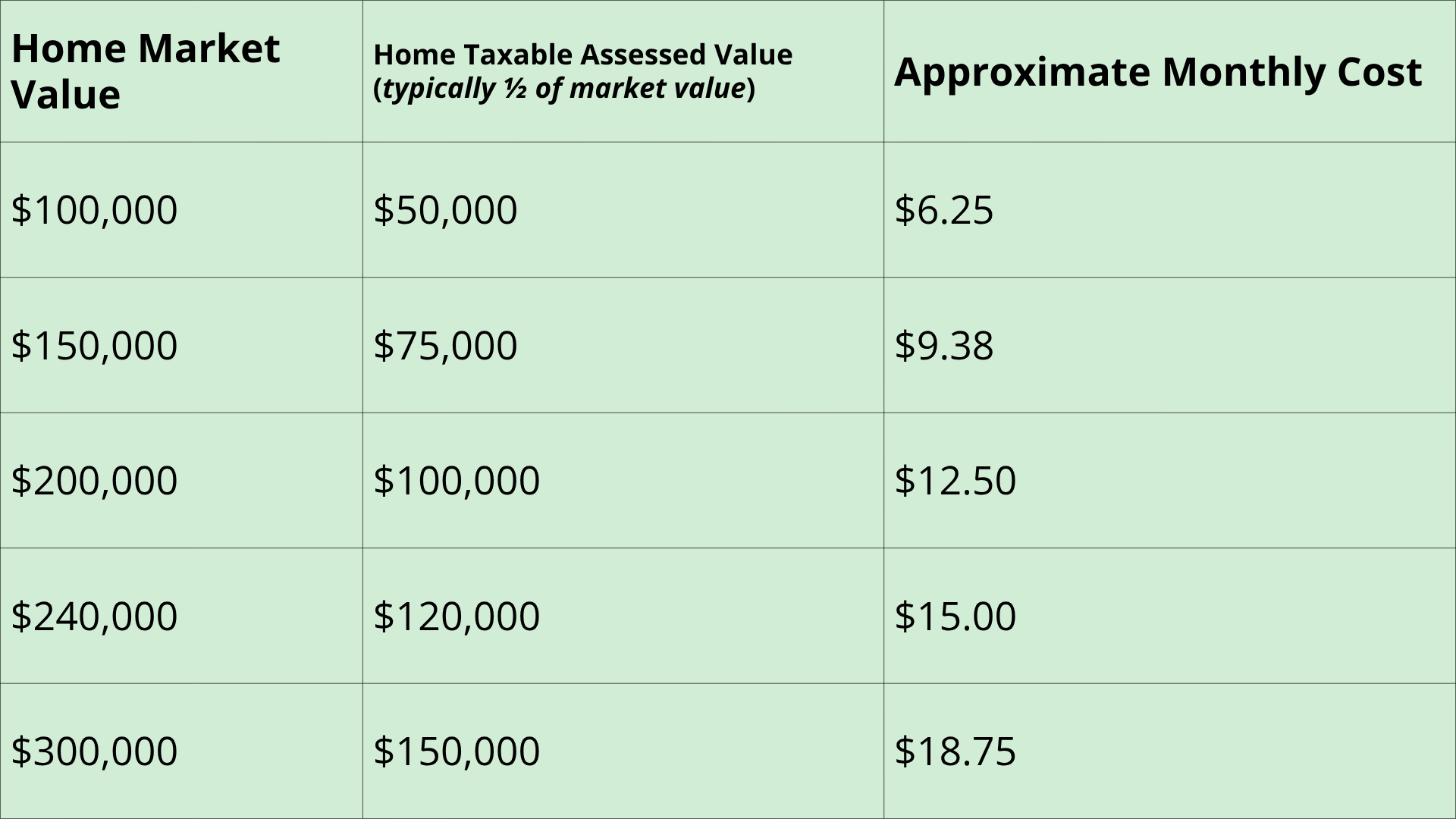
For the average homeowner in the MPS district, the proposed sinking fund would cost approximately $15 per month.
Example: Market value of $240,000 with a taxable assessed value of $120,000. $120,000 x .0015 ÷ 12 months = $1
Our Strategy
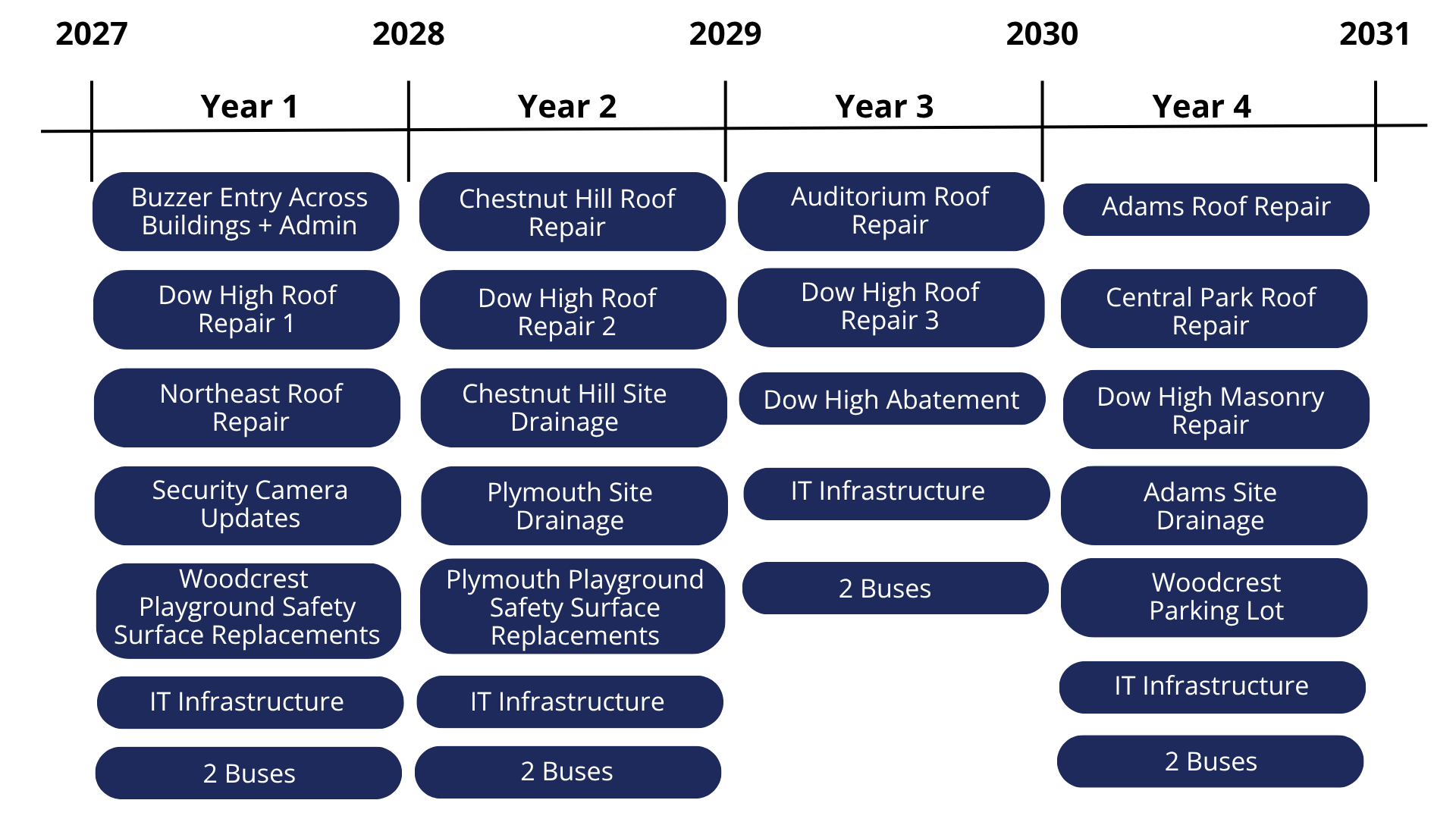
The district has determined the most essential projects for years in 1-4 of the sinking fund. These projects represent the most pressing needs based on the current facility assessment conducted by an independent third-party expert and the operational knowledge from current MPS facility experts.
Near the end of year one, MPS would review the Facility Assessment information, consider current needs, and develop the project plan for year 5, and so on for the remaining years.
This approach would allow MPS to balance future-focused planning with responsiveness to emerging needs.
Our Promise
If passed, MPS commits to managing the funds with transparency and accountability.
- Funds would be spent in alignment with the priority areas of our Strategic Plan.
- MPS would regularly share sinking fund progress and updates.
- The sinking fund would receive an independent audit each year.
- Should a critical need emerge that these funds could resolve, the Board of Education would have an open discussion about an adjustment to the plan.
Looking Ahead
Voters will have the opportunity to consider the proposed sinking fund on Tuesday, November 3, 2026.
Between now and Election Day, MPS will continue to share information, answer questions, and provide opportunities for our community to learn more about the proposal and the long-term plan for our facilities.
Sinking Fund FAQ
What is a sinking fund?
A sinking fund is a ‘pay-as-you-go’ tax levy used as a savings account for school facility repairs and infrastructure updates. The law allows a sinking fund to be used for:
- purchasing real estate for school buildings
- NOTE: The Board of Education chose to remove this line from the ballot language. If approved, MPS will not be able to purchase real estate with the funds.
- constructing or repairing school buildings
- school security improvements (e.g., metal detectors, cameras, and entryway enhancements)
- instructional technology (e.g., servers and network updates)
- student transportation vehicles (including buses)
- parts, supplies, and equipment used to maintain student transportation vehicles
- trucks and vans (registered under the Michigan Vehicle Code) used to carry parts, equipment, and personnel for building maintenance
- parts, supplies, and equipment used to maintain those trucks and vans.
Sinking fund revenues generally may be used for building repairs, but not building maintenance. Maintenance is preventive and keeps assets in good working condition, while repairs are corrective and restore assets that are no longer functioning properly.
Are Sinking Fund projects subject to prevailing wage requirements?
No. Prevailing wage requirements are not applicable to sinking fund projects.
How does a sinking fund differ from a traditional school bond?
Bonds require borrowing money up-front and paying long-term interest. Sinking funds generate and spend cash as it is received.
Can sinking fund revenue be used to pay for administrator or teacher salaries?
No. Michigan law prohibits using sinking fund dollars for school operational expenses or payroll.
Why is MPS asking for a sinking fund?
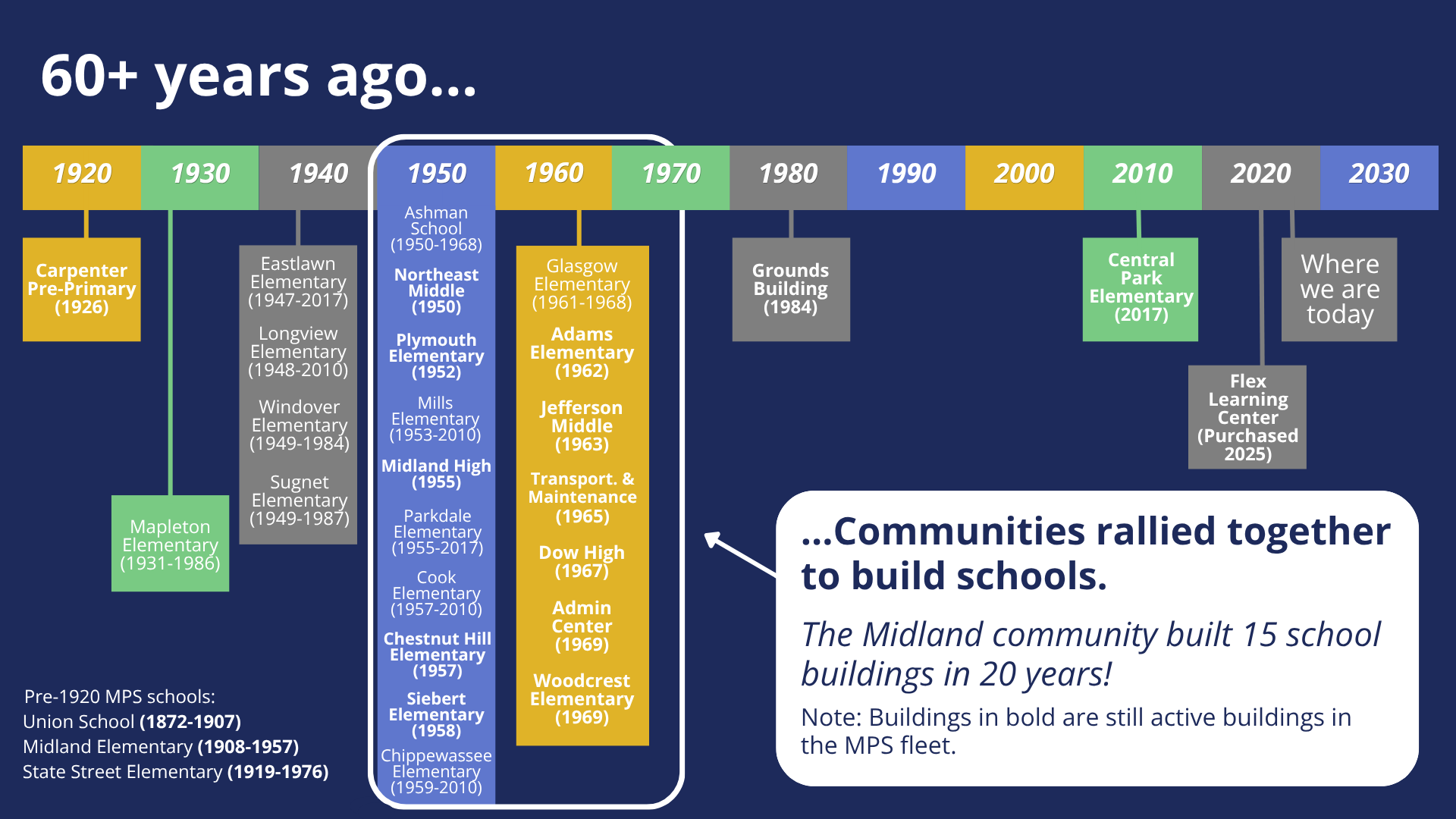
Over the last three years, MPS has conducted two independent facility assessments to determine infrastructure and programmatic needs. In each assessment, it was confirmed that a large volume of work is needed in the near future at MPS facilities. It is worth noting that each report highlighted strong efforts by MPS Operations teams to maintain facilities. In addition, the 2015 bond provided a solid foundation for further work. However, the average age of MPS buildings is approximately 65 years. Nine MPS school buildings were built over 20 years, from 1950 to 1970. A consolidated cluster of 60-year-old buildings presents numerous infrastructure and maintenance challenges.
A bond initiative was proposed to the community on the May 2025 ballot to address areas of the facility assessment. This bond proposal was not approved by voters.
Comprehensive efforts were taken to gather community feedback on the failed initiative (surveys, numerous feedback sessions, etc.). A steering committee composed of community members with diverse backgrounds and perspectives was formed to assist the Board of Education in developing the next facility capital initiative. The committee met numerous times during the 2025-2026 school year, intensively studying facility assessments, school funding mechanisms, and community feedback. They ultimately recommended that the Board of Education pursue a modest sinking fund to address immediate needs focused on enhancing safety and security and repairing critical infrastructure.
The committee openly acknowledged that the sinking fund did not address the full scope of MPS facility needs, but balanced the community's financial priorities with the most urgent needs identified in the facilities assessment.
What is the estimated total amount collected over the 10-year cycle?
The District projects collecting approximately $4.6 million dollars annually or $46 million over the life of the 10-year millage. This is subject to change based on property values.
What will the MPS sinking fund be used for?
Members from the GMB/Clark/Three Rivers team and the MPS Operations team collaborated to vet projects identified as urgent in the facility assessment. These projects were considered alongside ‘real-time’ observations from MPS Operations team members and anticipated revenues vs. project costs. Priorities identified by MPS stakeholders through survey data and Board of Education feedback served as an additional lens to create a 1- to 4-year scope of work.
Projects for years #5-10 will be developed over time, utilizing the same process.
Note: Emergency/urgent facility needs could alter the planned course of work. The Board of Education has committed to openly discussing any significant alterations or additional projects that emerge.
What are the top safety and security priorities?
Top safety and security priorities include updating school security cameras and associated technology infrastructure and installing secure buzzer entry systems at all building entrances.
Why do the plans include the purchase of school buses?
The District operates a fleet of 40 buses. Strategic replacement of the oldest buses enhances safety and reduces repair costs associated with operating vehicles beyond their useful life.
How will the public be updated on how the funds are spent if the Sinking Fund Millage Proposal passes?
The District has a dedicated webpage, www.midlandps.org/sinkingfund, that will include regular updates on project progress and associated fiscal information. In addition, updates will be provided through regular District communications channels (newsletter, social media, etc.) and at Board of Education meetings.
How do we know the funds will be used appropriately?
By law, a Michigan school district is required to have an independent audit of its sinking fund activities annually. The audit verifies that funds were used on projects allowed by law and the specific ballot language.
Why can’t philanthropic organizations donate the money for what you need?
Community partnerships and local philanthropy play an important role in enriching educational opportunities, and Midland Public Schools is grateful for the generous support that has helped expand programs like International Baccalaureate and STEM.
However, charitable donations are not a sustainable way to fund building repairs and infrastructure. In Michigan, bonds and sinking funds are voter-approved funding tools specifically designed to maintain and improve school facilities, providing a stable, reliable source of revenue for long-term needs.
The District's facilities assessment identified more than $500 million in capital improvements over time. Needs of this magnitude require dedicated funding that allows the District to responsibly maintain its buildings while preserving classroom dollars for students and teachers.
How are public schools funded? Can MPS complete these projects without a sinking fund?
Michigan public schools receive money from several different sources, but each source has specific rules about how the money can be used. Most of the money schools receive is intended to cover daily operating costs such as teacher and staff salaries, classroom supplies, transportation, utilities, and educational programs.
A sinking fund is different. It is a local property tax that voters approve specifically to pay for building improvements and major repairs. By law, sinking fund money cannot be used to pay employee salaries or operate schools.
Without a sinking fund, the district would have to use its operating budget to pay for projects like replacing roofs, repairing parking lots, improving security, or updating heating and cooling systems. Every dollar spent on those projects is a dollar that cannot be spent on students, teachers, or educational programs. A sinking fund helps protect classroom funding by paying for building needs with money that is legally dedicated for those purposes. This allows the district to maintain safe, functional schools while keeping operating dollars focused on educating students.
What is the impact on property owners?
The impact on property owners depends on their home's taxable value, typically estimated at half its market value. The annual cost is determined by the following formula:
Taxable value of home x. mills / 1000
For example, a $250,000 home is assumed to have a taxable value of $125,000. When the $125,000 is multiplied by 1.5 mills and then divided by 1,000, the projected annual cost for this home would be $187.50 ($15.63 per month).
If you are unsure of the taxable value of your home, you can find it at the following:
- City of Midland residents: https://bsaonline.com/?uid=1540
- Midland County residents outside City of Midland: https://bsaonline.com/?uid=314
If the millage passes, when will property owners see it on their tax bills?
The tax levy would first appear on the winter tax bill cycle following the election.
Will local contractors have an opportunity to bid on these projects?
Yes. All projects will go through a competitive public bidding process, encouraging local businesses to participate.
When is the vote taking place?
The election is scheduled for Tuesday, November 3, 2026.
What is being proposed on the ballot?
A 1.5-mill property tax levy spanning a 10-year duration.
The specific ballot language is:
MIDLAND PUBLIC SCHOOLS
SINKING FUND MILLAGE PROPOSAL
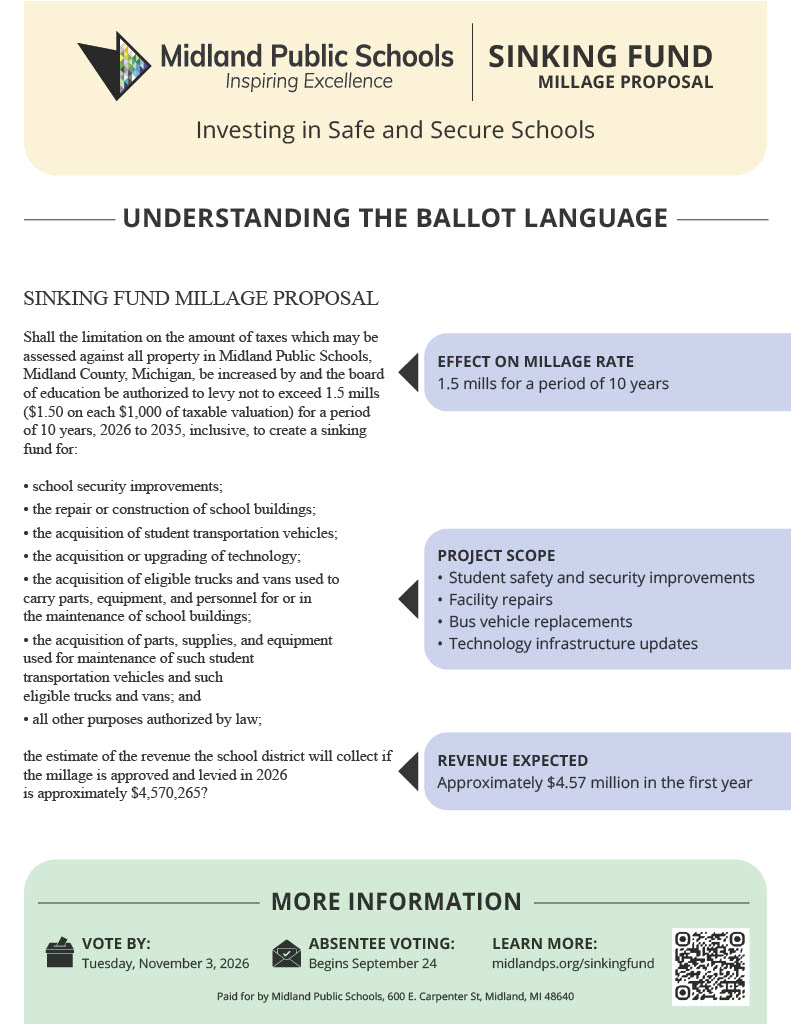
Shall the limitation on the amount of taxes which may be assessed against all property in Midland Public Schools, Midland County, Michigan, be increased by and the board of education be authorized to levy not to exceed 1.5 mills ($1.50 on each $1,000 of taxable valuation) for a period of 10 years, 2026 to 2035, inclusive, to create a sinking fund for:
school security improvements;
- the repair or construction of school buildings;
- the acquisition of student transportation vehicles;
- the acquisition or upgrading of technology;
- the acquisition of eligible trucks and vans used to carry parts, equipment, and personnel for or in the maintenance of school buildings;
- the acquisition of parts, supplies, and equipment used for maintenance of such student transportation vehicles and such eligible trucks and vans; and
- all other purposes authorized by law;
the estimate of the revenue the school district will collect if the millage is approved and levied in
2026 is approximately $4,570,265?