
2015 Bond Program
Overview
Bond Focus Areas
The 2015 bond program contained projects that spanned four key focus areas:
- Enhancing safety and security
- Increasing energy efficiency of MPS buildings
- Addressing aging or underutilized facilities
- Creating 21st-century, modern learning environments
Major Projects
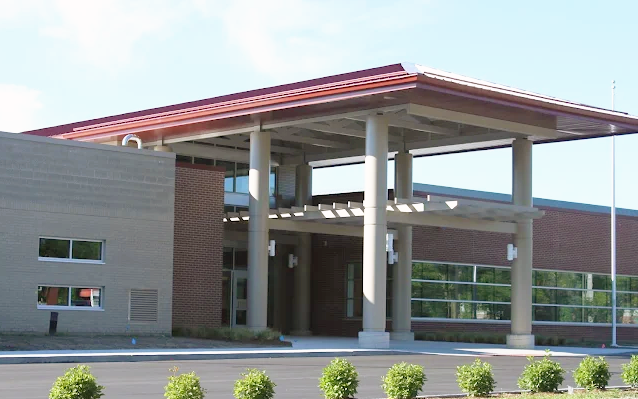
- Central Park Elementary Construction
- Expanded Multi-Purpose Spaces
- Updated Building Security
- Removal of Underutilized Facilities
What work has been done?
Click the buttons below to view the initial 2015 Application for Qualification of Bonds and a complete work list of all projects that were part of the 2015 bond program. As you read the work list, it will be helpful to refer to the legend below.
2015 Bond Work List Legend
| Green Projects | Project completed with Bond dollars |
| Blue Projects | Project completed with alternate funds (Energy Bond, Capital Improvement Fund, ESSER, etc.) |
| Red Projects | Project still in progress (Allocated to Series III funds that are still scheduled to be spent on the line item) |
| Yellow Projects | Project scope completed but varied from the original description or removed from the original plans* (see below) |
*A note about yellow projects on the work list:
Projects marked in yellow on the work list were included in the original bond application, but were completed with an altered scope from the original description or were removed from the original plans. There are numerous reasons why this could have occurred.
The lifecycle of the 2015 bond spanned over a decade, and priorities and needs during that length of time can shift. In some cases, certain projects required additional funding beyond the initial budget based on increased scope or higher costs. In addition, unanticipated needs sometimes occur during a project's lifespan that require immediate attention for the safety of our students and staff or the integrity of our facilities.
Some examples of these projects include:
- Design elements at Central Park Elementary to STEM-ify the school required additional square footage beyond the original scope of the project.
- Funding calculations for new furniture at our secondary schools allocated $1.75 per square foot. We found that these funds were not sufficient to adequately equip all classroom spaces with new furniture. After more study, we determined that the current secondary school furniture was sufficient to last until another capital campaign could be implemented. During the 2015 bond, furniture was purchased for renovated media centers and office spaces; however, the original description listed classroom furniture in the scope. For transparency purposes, the items were marked as yellow, even though some furniture was purchased.
- Original plans called for the demolition of the chimney at Northeast Middle School. After further analysis, we found that the structure was safe and plans should hold until the future of Northeast was determined. As a result, the chimney was not demolished.
- Complete replacement of the boiler system at Dow High School was not in the original project plans. System failures at the school required us to address the boiler system immediately.
As real costs became known and additional needs emerged throughout the 2015 bond, the construction management team, MPS facilities planning team, and applicable Board of Education committees assisted in determining how to allocate funds and set priorities. It's important to remember that the district is bound by law to comply with the original ballot language that was approved by voters, which is verified by independent auditors throughout the lifecycle of the bond. The District received clean audits on every bond-related audit that has been completed. You can read the audits for Series 1 and Series 2 via the buttons below.
What work is still left?
(Updated September 24, 2025)
At this time, the following 2015 bond projects are still in progress or outstanding as part of Series 3:
- Purchase of approximately 6,000 Chromebooks for grades K-8 (technology equipment)
- Purchase of staff working devices (technology equipment)
- Replacement of remaining buses in the transportation fleet
Bond Results: By the Numbers
Frequently Asked Questions
When the 2015 bond was proposed, architects estimated that a refurbishment of Northeast Middle School could provide 20 more years of use for the building. If no refurbishing were done, Northeast's lifespan would extend another 12 years. Refurbishment of Northeast would require significant investment to give the building its projected 20-year lifespan.
Ultimately, the district decided not to invest in a full refurbishment of Northeast and to invest bond dollars into prolonging its use for a shorter period of time. The goal was to give residents the flexibility to decide the future of Northeast 12-15 years down the road without having additional debt, as the debt from the 2015 proposal would be nearly paid off by the time a decision would need to be addressed. Future population trends, the need for one vs. two middle schools, and other community factors were considered as well when making this decision.
Yes! Under Michigan law, any school district that issues bonds to pay for capital improvements must have an independent audit of its bond‐related activities.
Once a district finishes the buildings or projects paid for by a bond issue, an external auditor comes in, reviews all the spending tied to that bond issue, makes sure everything was used correctly under the law, checks financial records, and produces a report. That report is then filed with the Michigan Department of Treasury so there's transparency and accountability.
So far, MPS has had Series 1 and Series 2 audited for the 2015 bond and received clean audits for both. You can read them via the links below. The Series 3 bond audit will occur after all 2015 bond projects for Series 3 are completed.
No - that's illegal! Bond proceeds must be used only for allowable capital expenditures (construction, remodeling, equipping buildings, acquiring sites, etc.), not for maintenance, salaries, or operating costs. Bond audits, like those linked in the FAQ above this one, help ensure compliance with those restrictions. Funds can also be spent on instructional technology, including hardware and communications devices, and buses.
Yes! Contingency and bid savings from bond projects resulted in a 12% savings across the entire scope of work. Combined with earned interest, MPS was able to use these funds to complete more than $14 million in additional projects district-wide.
Additional improvements included:
- STEM-ification of Central Park Elementary
- $2+ million in additional mechanical & HVAC upgrades
- Athletic upgrades at all secondary schools
- 65+ restroom facility renovations
- Exterior & interior building improvements
- Additional roofing improvements
- Additional asphalt & concrete paving
- Audio-visual and infrastructure improvements at Central Auditorium